Brand & Communication
Your brand is an operating system, not a logo file
Here is the question that predicts whether a rebrand will survive: who makes the next hundred brand decisions, and what do they use to make them?
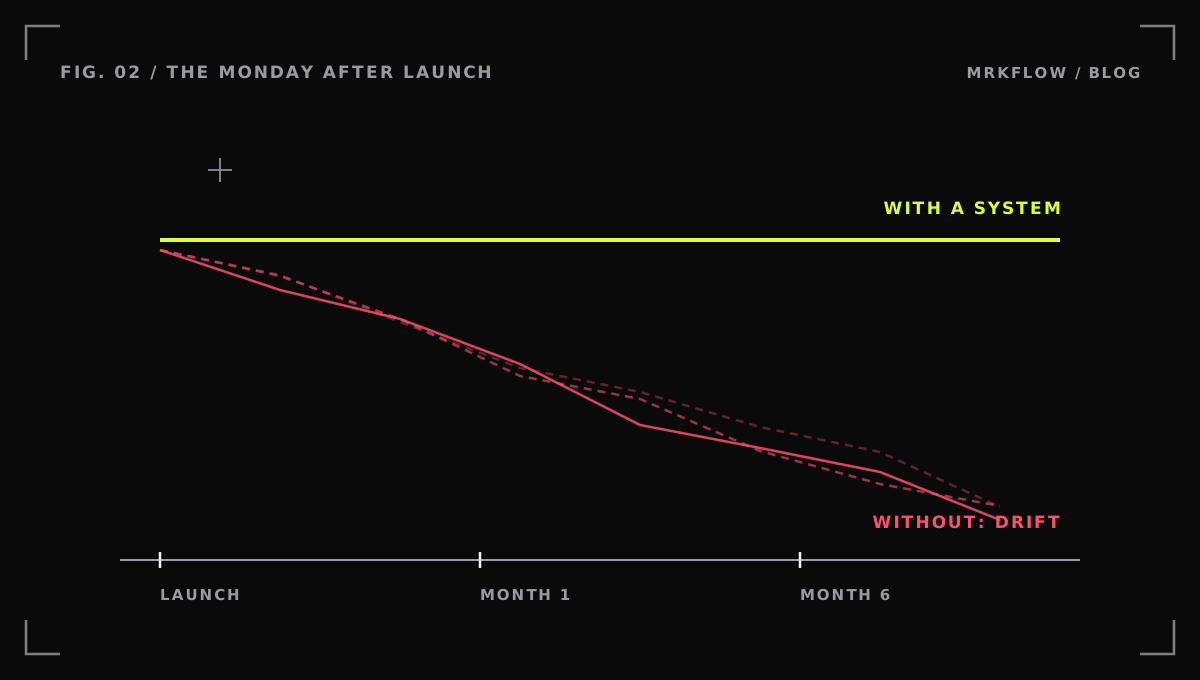
Not the launch decisions - those get plenty of care. The hundred small ones that follow: a sales deck due tomorrow, a social post for a holiday, a partnership logo lockup someone needs by noon. If the answer is "they ask the designer" or "they improvise," the brand starts drifting the Monday after launch, no matter how good the identity is.
The brand book fallacy
The traditional answer is a thicker brand book. It rarely works, for a simple reason: brand books document what the identity is, but daily work needs to know what to do. A rule like "maintain clear space of one x-height" is true and useless to a marketing coordinator with a deadline and no design tools.
A brand that only lives in a PDF is a museum. A brand that lives in your team's tooling is an operating system.
What a brand operating system contains
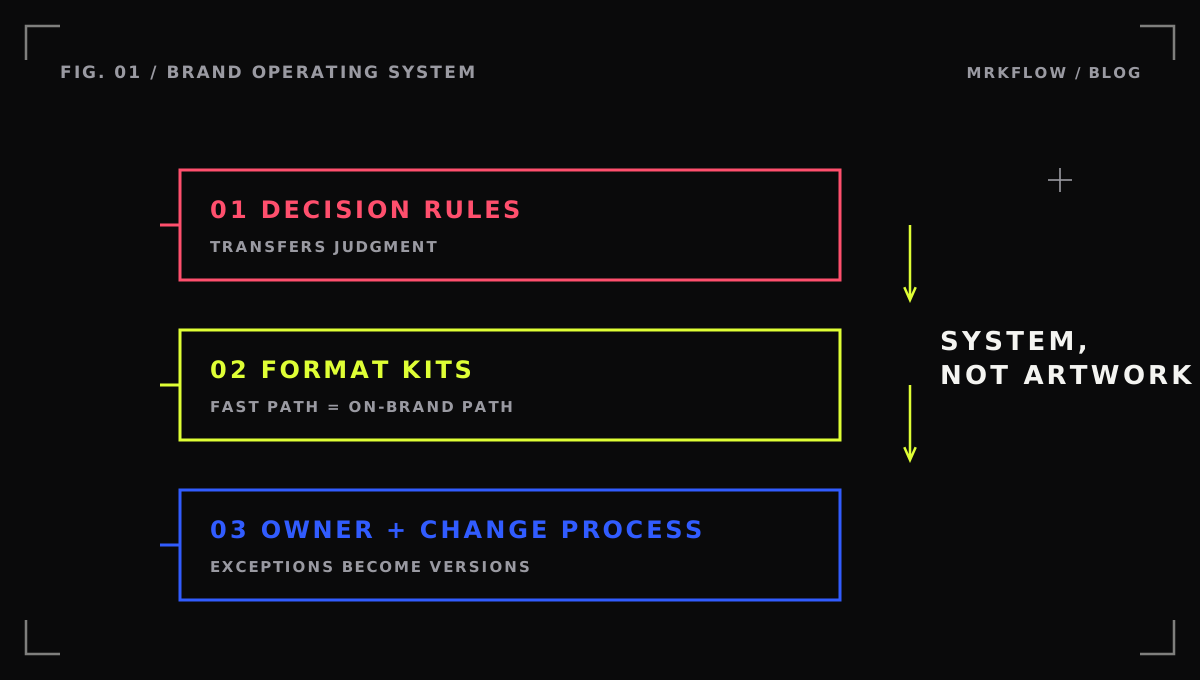
When we build identities, the deliverable is structured around three layers:
- Decision rules, not just specifications. "When choosing between two layouts, pick the one with fewer elements." "If a message needs a paragraph, it is not a headline yet." Rules like these transfer judgment, and judgment is what keeps a brand coherent when nobody is watching.
- Format kits for the real publishing surface. Whatever your team publishes weekly - social posts, decks, offers - gets templates engineered so that the on-brand path is also the fastest path. Consistency should not depend on discipline; it should depend on tooling.
- A named owner and a change process. Brands evolve. Without an owner, they evolve by accident. One person approves exceptions and updates the system, so exceptions become versions instead of erosion.
A test you can run this week
Take the last ten things your company published. Line them up. Ask three questions: Would a stranger group them as one brand? Can you name the rule behind each visual decision - or was it taste? How many required a designer's intervention to be acceptable?
If the answers are uncomfortable, the problem is probably not your logo. It is that your brand exists as artwork instead of as a system - and artwork does not scale, while systems do.
That is the standard we hold brand work to: not "does it look right in the case study," but "does it still look right in month six, published by someone who never met the designer."