
Digital Growth
Found by Google, quoted by AI: the SEO and GEO playbook
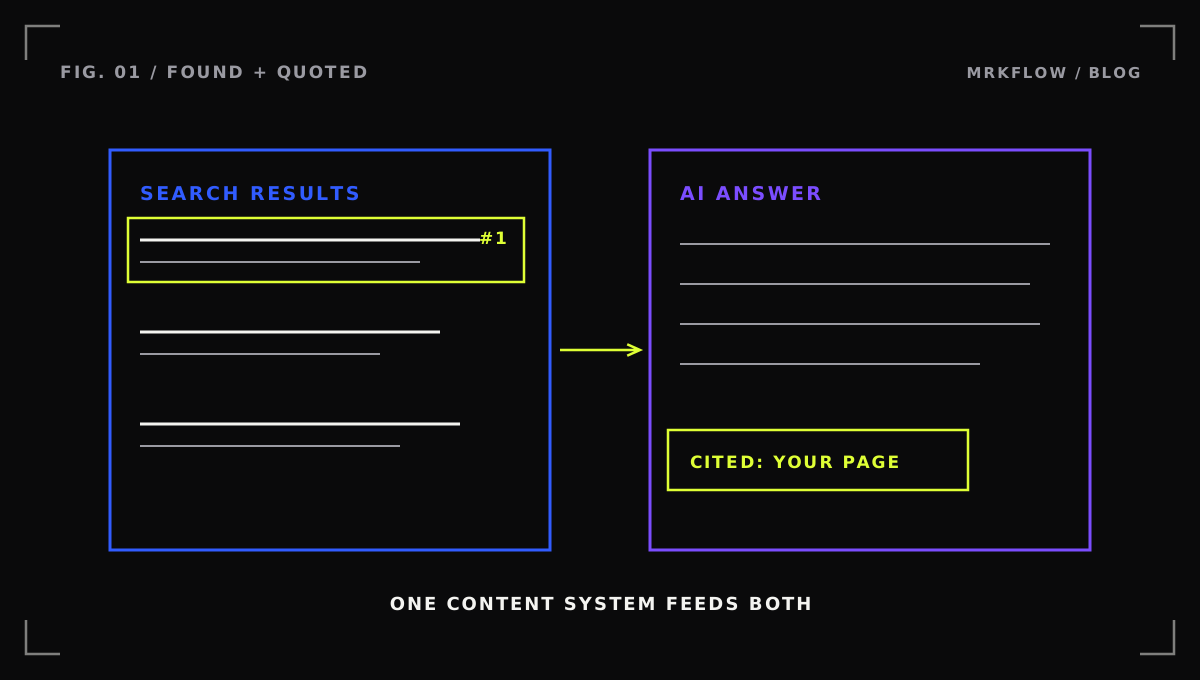
For twenty years, being found meant one thing: rank in the search results. Now a growing share of buying questions is answered by AI assistants that read the web and reply with a synthesis - sometimes with citations, sometimes without. The industry named the new discipline GEO, generative engine optimization, and promptly started selling it as a replacement for SEO.
It is not a replacement. It is a second surface fed by the same underlying asset: content that machines can verify, structure they can parse, and authority they can trace.
What stays the same
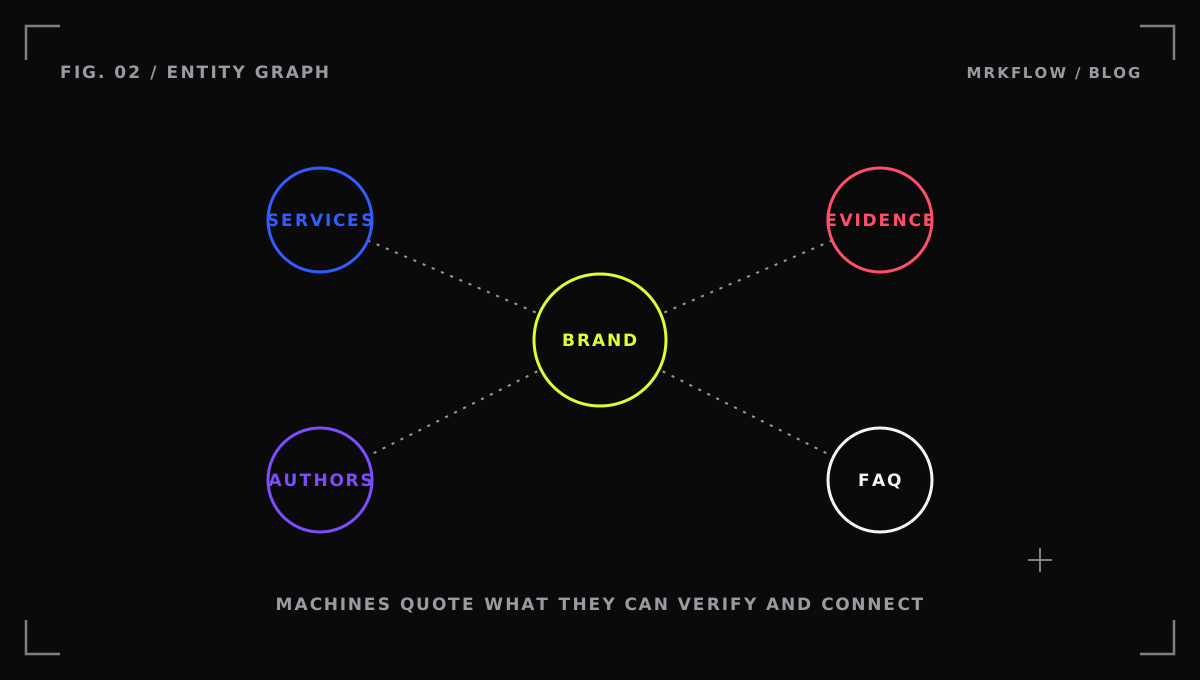
Assistants choose sources much the way search engines learned to: they favor pages with a clear subject, verifiable claims, and consistent identity across the web. The fundamentals still decide the game: fast and crawlable pages, one page per question, honest expertise, and an entity story - who you are, what you do, where you operate - that reads the same everywhere it appears.
What actually changes
Three things shift when the reader is a model rather than a person scanning ten blue links.
Answers beat teasers. Classic SEO tolerated pages that withheld the answer to earn the click. Generative engines skip them: a page that states the answer plainly, then earns depth, is the page that gets quoted. Write the conclusion in the first screen, not the last.
Structure is retrieval. Headings that match real questions, FAQ blocks, definitions, tables and structured data are not cosmetics - they are the seams a model uses to lift your content into an answer. If a passage cannot stand alone, it cannot be cited alone.
Being named matters as much as being ranked. Mentions of your brand in comparisons, reviews and industry writing teach models that you exist and what you are for. That widens the work of visibility beyond your own site - into PR, partnerships and the places where your category is discussed.
The playbook we run
In practice we hold every page to a two-reader test. For the human: does it answer the question honestly, fast, and in the brand's voice? For the machine: does it declare its subject in the title and headings, expose the answer as a liftable passage, mark up its structure, and connect to a consistent entity story?
Then we measure both surfaces: classic positions and clicks on one side; on the other, whether assistants mention or cite the brand for the questions that matter. The second column is younger and noisier, but it is where a growing share of first impressions now happens - and being early there is still cheap.
The strategic point is simple: do not fund a separate "GEO project." Build one content system to a standard both readers respect, and let every page you publish work both jobs.